
Let The Light In
Consider the glassbound grandeur of greenhouses past and present.
Just inside the greenhouse at Hills and Dales Estate in LaGrange, Georgia, the air carries the earthy fragrance of life taking root. Light filters through a slatted ceiling, dappling the space in a soft, forest-floor glow. Here, in this glass sanctuary, spring is eternal, and winter is but a rumor.
“Alice Callaway was a collector of plants,” says Carleton B. Wood, Executive Director of the estate. “She worked here, propagated her plants and grew flowers she could cut and use in arrangements. In one greenhouse, she cultivated succulents, begonias, ivy and orchids, including vanilla orchids. Another greenhouse has been used to continuously cultivate calla lilies for nearly 100 years. The central greenhouse is where she grew her collection of ferns, including her lovely maidenhair ferns.”
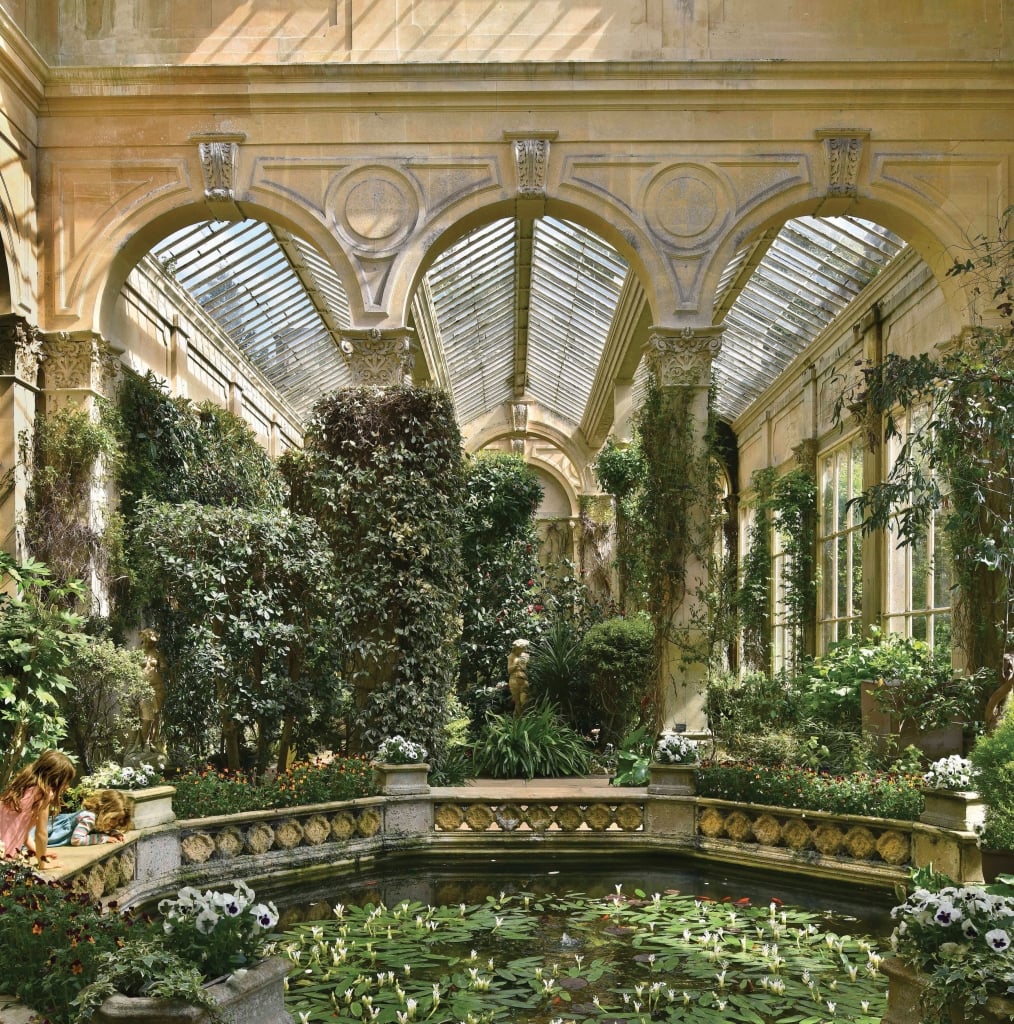
The Orangery at Castle Ashby in England.
As with other greenhouses, Alice Hand Callaway’s enclosures were designed primarily for the work of growing and tending to plants, though the space also showcased the finest of her collection. Indeed, glass structures have always occupied the space between dream and dirt, poetry and purpose. From Victorian England’s soaring crystal conservatories—elegant glass rooms attached to manor homes—to the refined glass rooms being crafted today by firms such as Tanglewood Conservatories, these light-filled structures continue to balance horticultural function with architectural beauty.
BOTANICAL BEGINNINGS
Long before modern climate control, ancient innovators began bending nature to their will. Around 30 AD, after a physician advised Roman Emperor Tiberius to consume the fruit of a melon or cucumber plant daily for better health, gardeners developed the specularium. These simple wheeled structures, covered with oiled cloth or translucent stones, were rolled into the sunlight during the day and then back inside on cool nights, representing what many believe to be humanity’s first attempt to defy the seasons.
During the Renaissance, as European explorers returned from distant lands bearing exotic plants that required some level of pampering in colder climates, grand orangeries sprang up across estates.
Modern conservatories and greenhouses still draw heavily from those early European orangeries. According to Nicole Young, Associate, Global Sales and Marketing for Tanglewood Conservatories, a Maryland-based architecture-build firm specializing in the design and construction of ultra-luxury conservatories, greenhouses and specialty glass roofs, “Orangeries were used for overwintering citrus trees that couldn’t survive cold winters. They were likely the precursors to modern conservatories.”
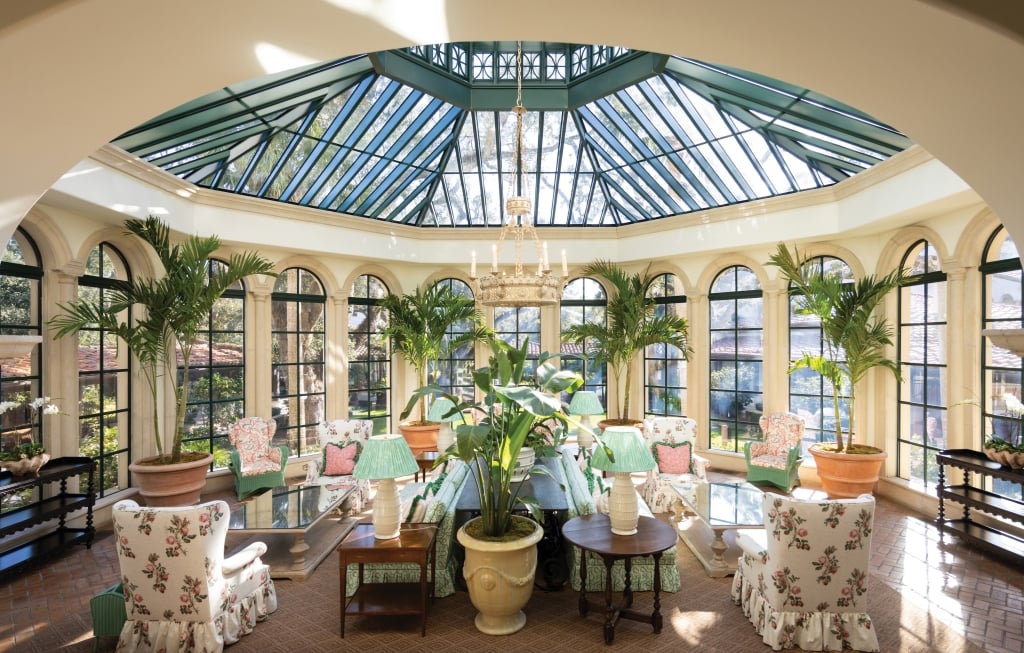
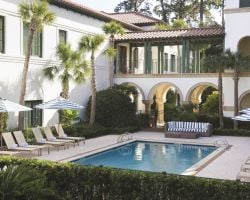
The Cloister Solarium at Sea Island.
One such modern interpretation stands at Sea Island. The Georgian Rooms Orangery is a robust structure with a glass roof, perfect for framing drifting clouds by day and twinkling constellations by night. White walls amplify the natural light that streams through large arched windows and French doors, and tall parlor palms rise toward the glass overhead—a nod to the citrus-filled orangeries of centuries past. This sanctuary of sunshine is a room in which light itself is the primary architectural element.
THE GOLDEN AGE OF GLASS
The 17th century saw advances in glass manufacturing. The new technology made it possible to build larger, transparent-walled, clear-roofed structures, ultimately ushering in an era of indoor gardening. By 1737, prosperous Boston merchant Andrew Faneuil had erected America’s first greenhouse—a glass palace where exotic pineapples and oranges grew and flourished. George Washington took notice and commissioned his own version of horticultural extravagance at Mount Vernon, equipped with a stove and flues for heat. It was completed in 1787.
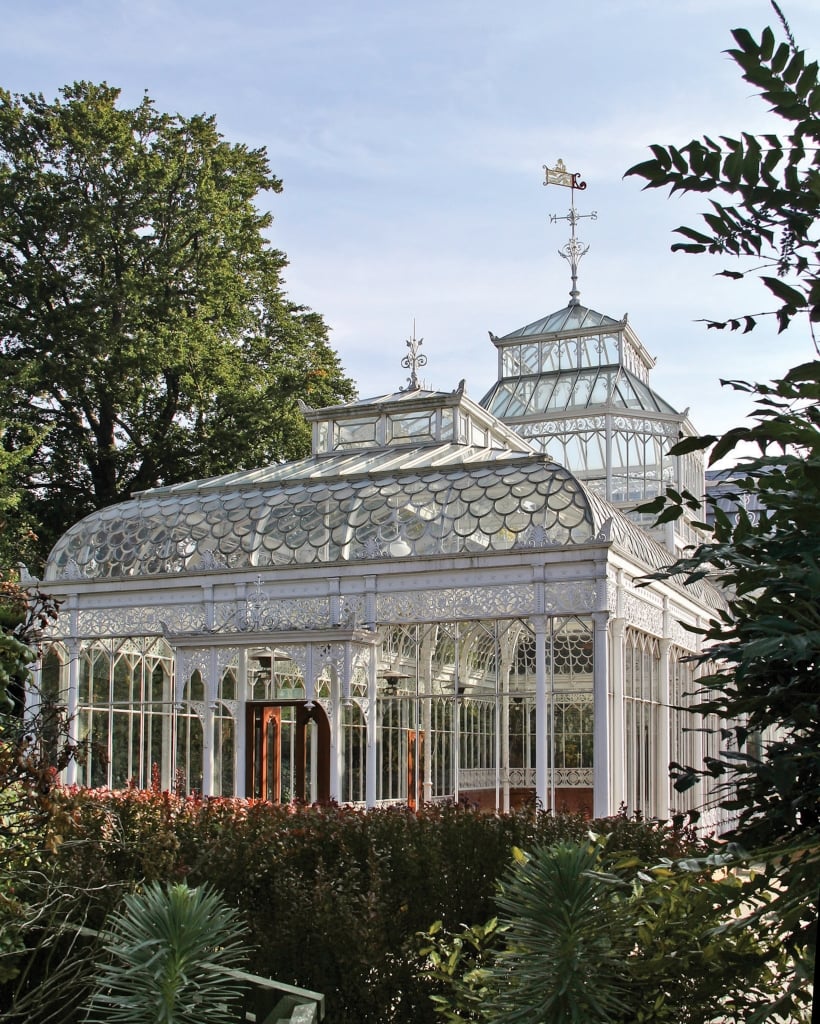
The Horniman Museum in London.
By the Victorian era, conservatories—derived from the Italian word conservatorio, meaning “a place for preserving”—had emerged as architectural status symbols. According to designers at Tanglewood Conservatories, the historic role of these structures still influence how they are used today. “Conservatories stand alone as jewels,” Young says. “They are extended living spaces, not only architecturally appealing, but also complementary to the house while creating beautiful connections to nature and family. Unlike greenhouses, they are more often used to host gatherings, showcase art, display orchid collections and even hold intimate piano concerts.”
Greenhouses, too, were typically owned by wealthier Americans until the postwar boom. The introduction of aluminum framing in the late 1940s again revolutionized greenhouse construction, replacing heavy wooden frames with lightweight, rust-resistant structures that were cheaper to manufacture and easier to assemble. Another turning point came when plastic sheeting became readily available to builders, making greenhouses accessible to amateur gardeners throughout the 1960s and beyond.
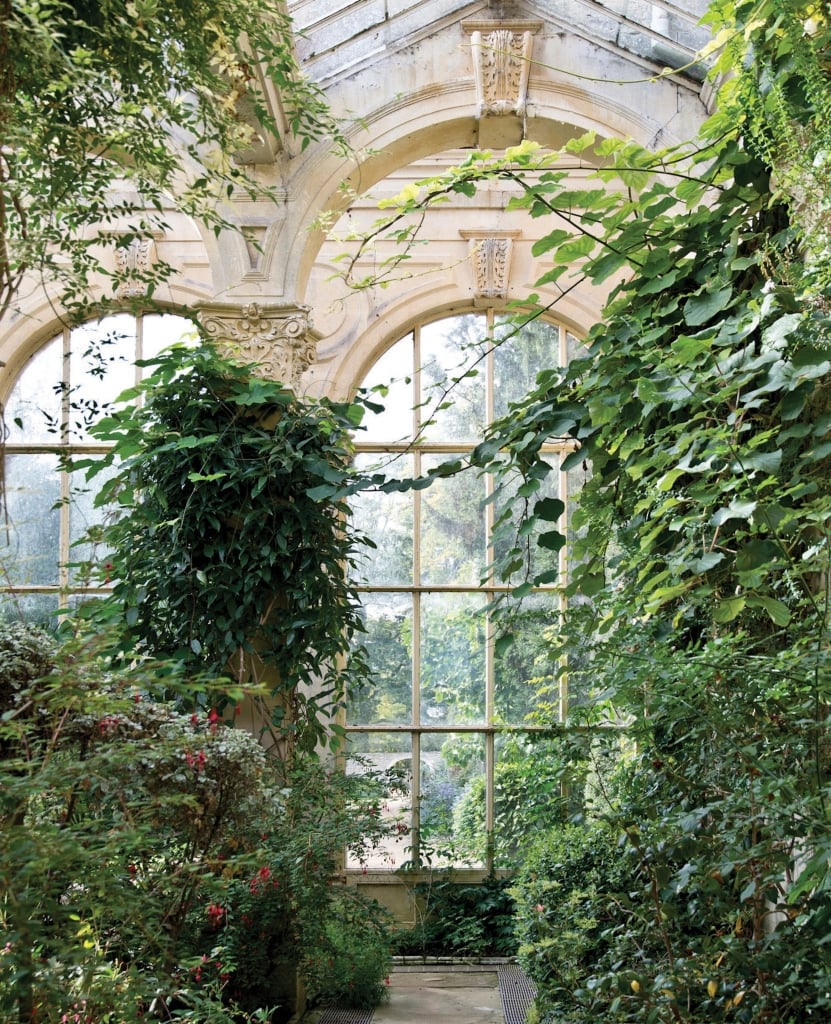
Interior of the Castle Ashby.
At Sea Island, the greenhouse plays a key role in sustaining the resort’s vibrant landscaping. Cathy Wiggins, Horticultural Project Manager, explains, “Greenhouses can be a great benefit, as growing is year-round, no matter the season. With the controlled environment of a greenhouse, plants grow faster and are much healthier.” The landscaping team primarily cultivates the annuals and perennials used in the hanging baskets that line the lamp posts. “Our goal is to grow the most eye-catching, hardiest plants we can,” says Wiggins. “It’s rewarding to see the finished product displayed through the landscape, something members and guests enjoy when driving, walking or riding a bike down the sidewalks.”
Images courtesy of Tanglewood Conservatories, Ltd., © Noah Alexander Stein (left); © Alan Stein (right)
THE GREENHOUSE AT SEA ISLAND
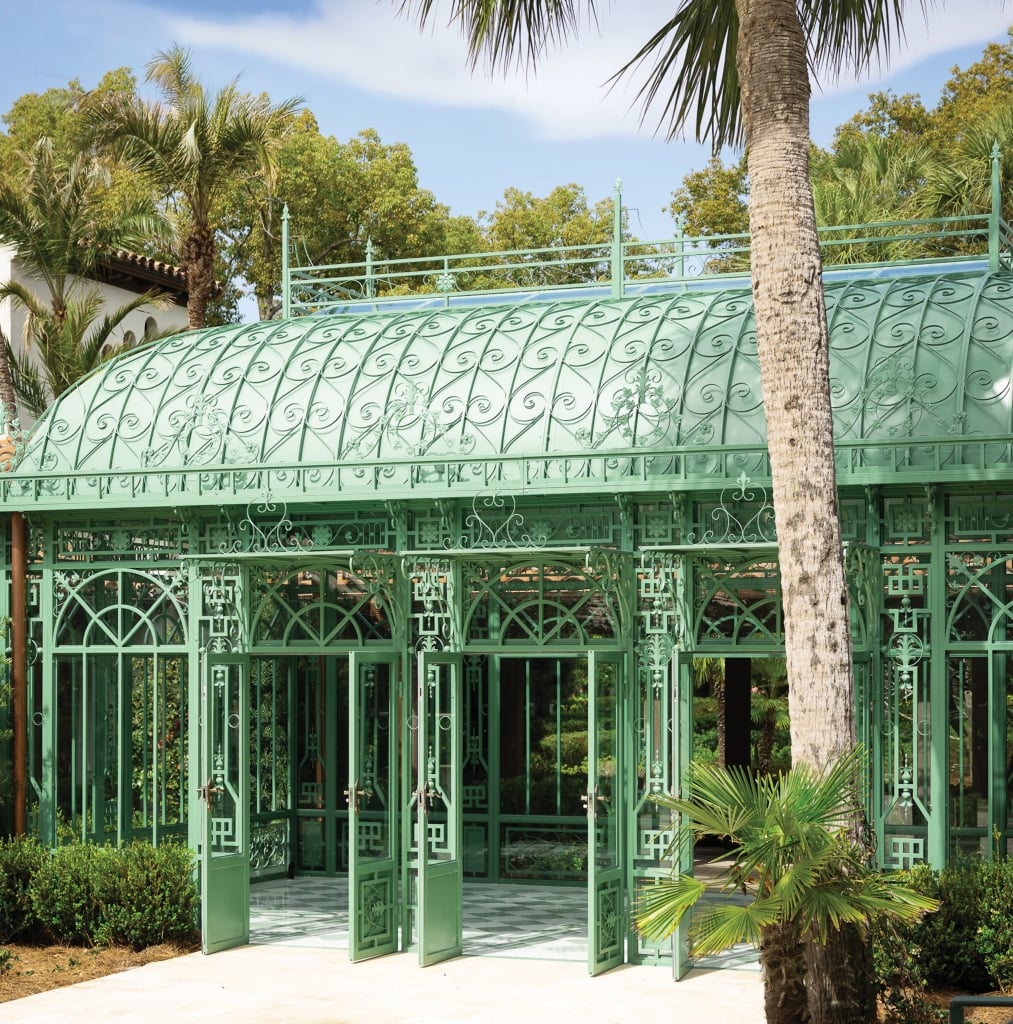 One of only 20 greenhouses built in this design, the newest addition to Sea Island arrives from Rouen, France, where it was located for the past 25 years. Located on the North Patio, its architecture is inspired by a Belgian-style Orangerie, a refined European greenhouse tradition originally designed to shelter citrus trees and delicate plantings on grand estates. True to that heritage, the structure emphasizes symmetry, clean classical lines, expansive glass walls and an abundance of natural light. Balancing beauty with purposeful design, the greenhouse is crafted from galvanized, grade-steel framing and enclosed with laminated glass, allowing maximum light while withstanding coastal conditions.
Inside, the greenhouse feels warm, layered and inviting. Hanging plants cascade from above, adding softness and color against the steel and glass, while a thoughtful mix of chandeliers and accent lights creates a glow that shifts beautifully from morning light to candlelit evenings. Underfoot, Ming Green and Tibetan White marble tile anchors the space—a subtle nod to classic European conservatories. Bistro tables and chairs encourage guests to settle in and enjoy their morning slowly. The greenhouse is an intimate setting for private culinary and beverage events, offering a distinctive backdrop for small-scale gatherings that feel personal and transportive. “We wanted it to feel collected, not constructed,” says Caroline Grogan, Associate Director of Event Design at Sea Island. “It’s romantic without being fussy, a space that invites you to slow down, share a meal and experience something beautifully unexpected.”
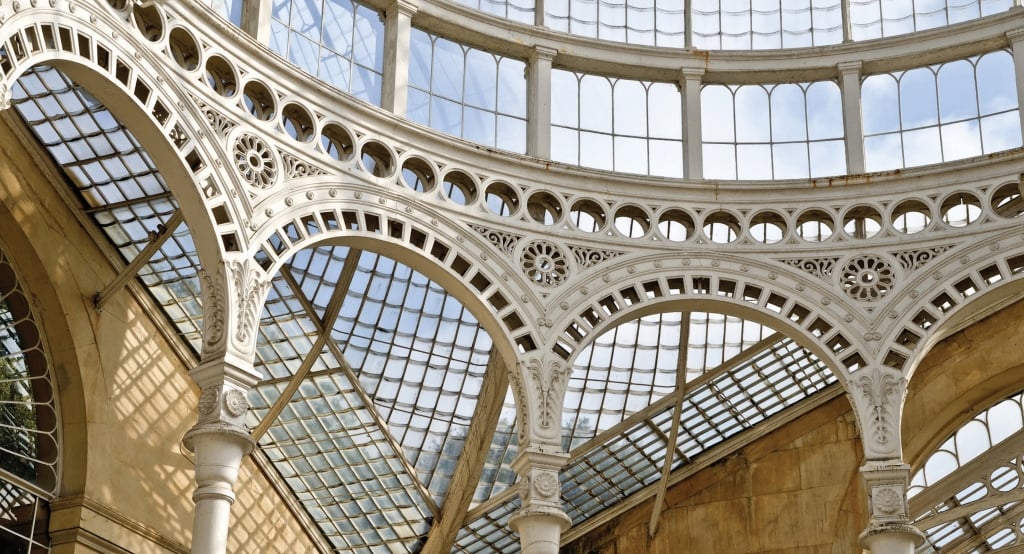
Syon Park Conservatory in London
Images courtesy of Tanglewood Conservatories, Ltd., © Nancy Virts Co-Founder
GLASS, GARDENS AND GRANDEUR
Around the globe, several greenhouses and conservatories have earned recognition for their architectural appeal, historical significance and glassy grandeur. At Longwood Gardens in Pennsylvania’s Brandywine Valley, the Conservatory District features a series of breathtaking rooms that blend the beauty of 19th-century classical architecture with horticultural displays—a testament to Gilded Age finery.
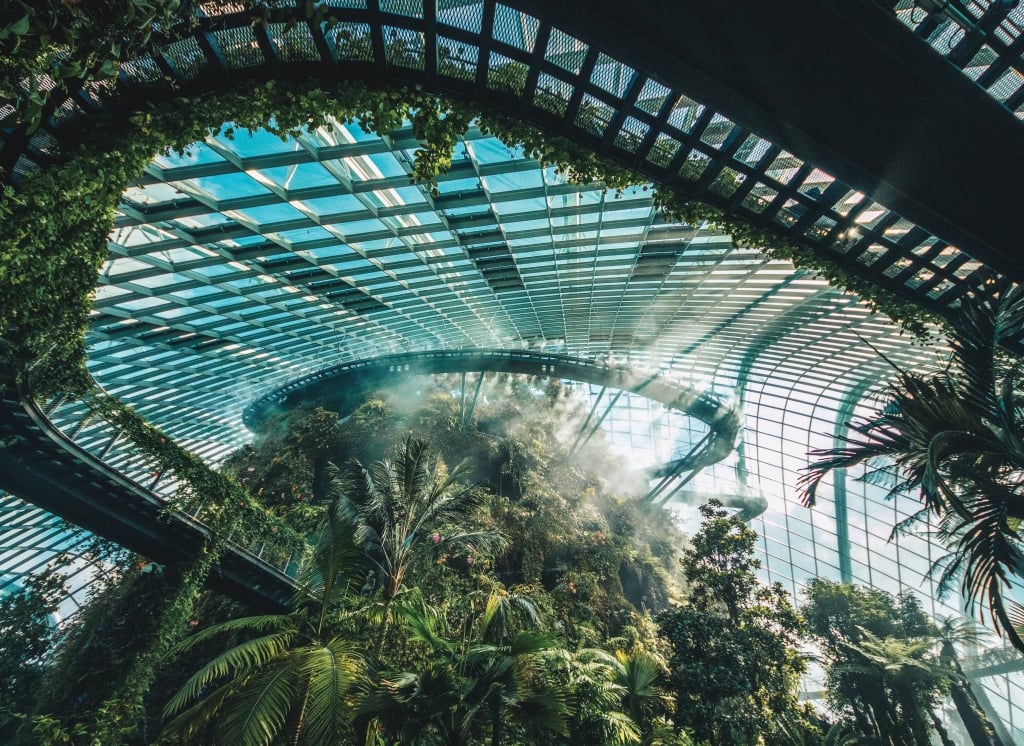
Cloud Forest Dome in Singapore
“Pierre du Pont envisioned grand indoor gardens here,” says Patricia Evans, Associate Vice President of Marketing and Communications at Longwood. “The result was the stunning Conservatory that debuted in 1921. Today, we feature three acres under glass, and with over 4,500 plant species, Longwood is one of the largest indoor garden collections in the world.”
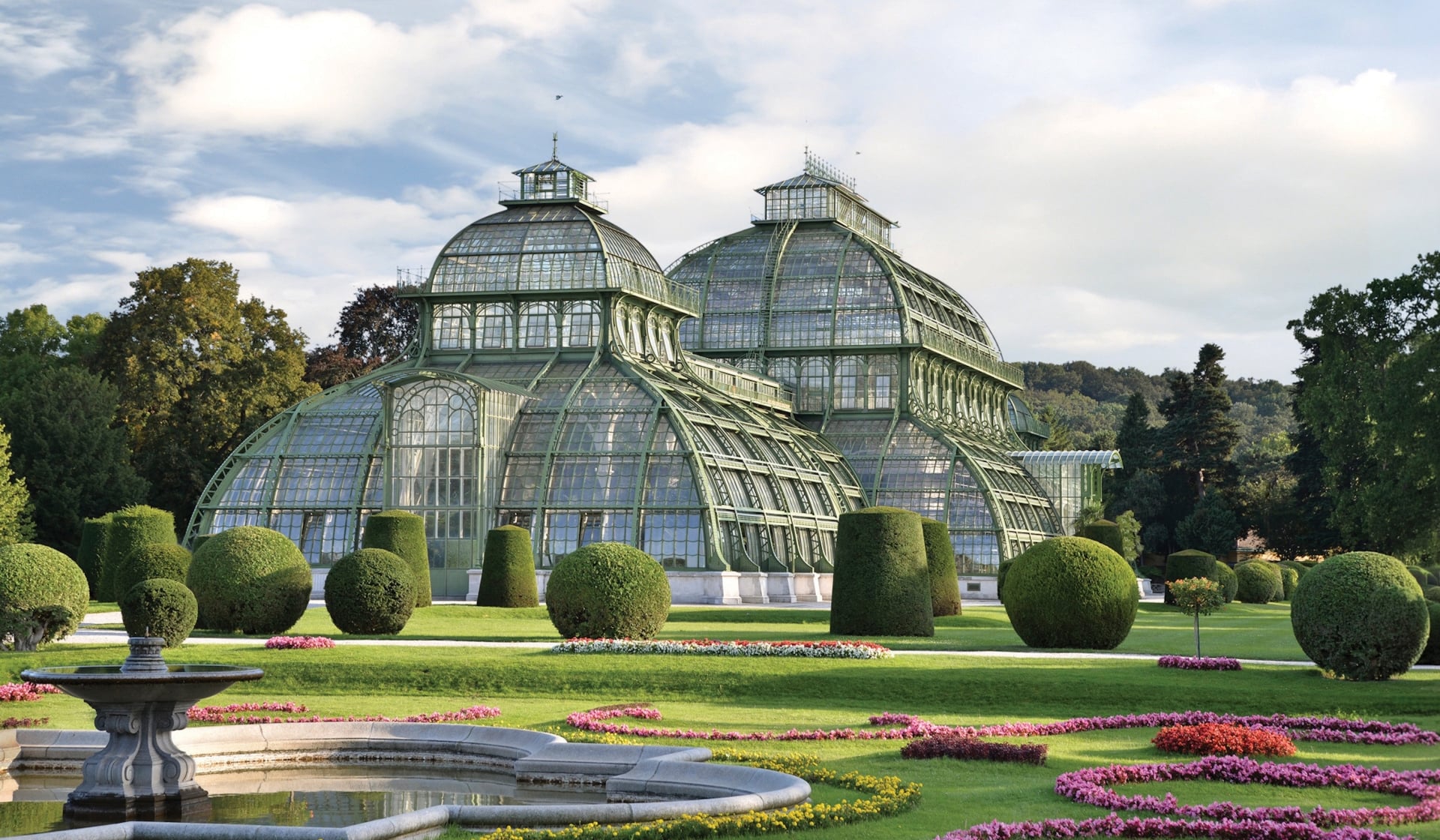
Across the Atlantic, Belfast’s Botanic Gardens Palm House is one of the earliest examples of a curvilinear cast-iron-and-glass conservatory in the world, completed in the 1840s. This pioneering Victorian structure is noteworthy for its innovative design and construction techniques, which influenced the development of glasshouse architecture internationally, including London’s famous Kew Gardens Palm House.
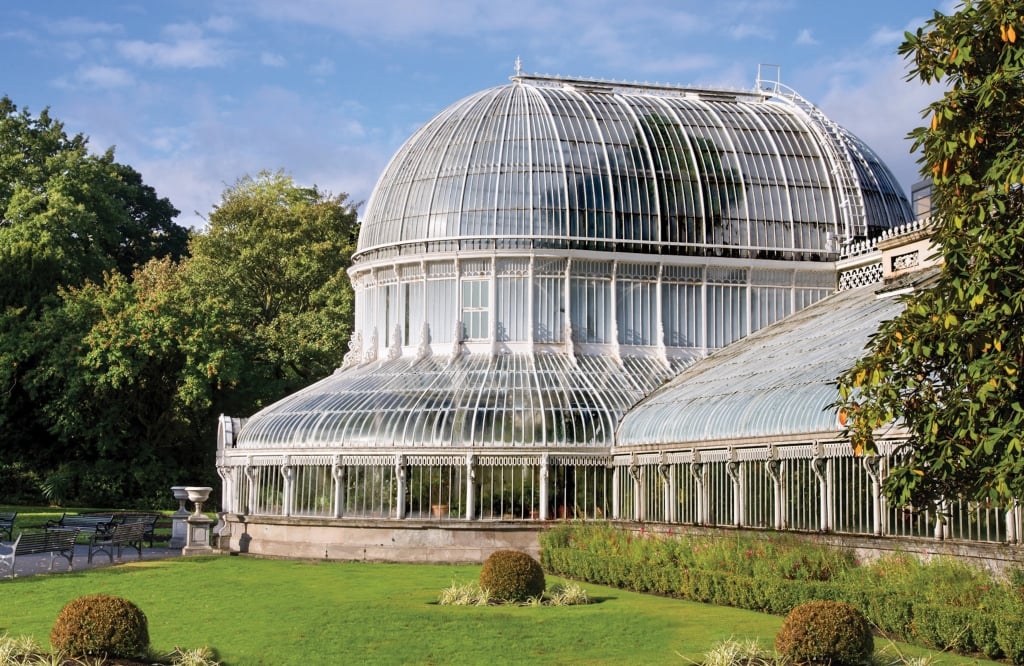
Belfast Conservatory in Ireland
Images courtesy of Tanglewood Conservatories, Ltd., © Alan Stein, Founder
The Alice Hand Callaway Visitor Center and Conservatory at the State Botanical Garden of Georgia rises from the Southern landscape like a glowing lantern in the evening. Its commanding, cube glass facade spans multiple stories, framed by a white, structural grid. Built in 1984, this modern greenhouse blends into its surroundings, offering unobstructed views of lush botanical collections both inside and outside its crystalline walls.
Traveling to Southeast Asia to Singapore’s futuristic Cloud Forest Dome, this enclosure hosts the world’s tallest indoor waterfall as it plunges 115 feet down an artificial mountain where orchids and ferns cling to man-made walls. In this colossal conservatory, visitors climb skywalks that wind through cool, foggy air, wandering past pitcher plants and ancient cycads—a thrilling collision of engineering and natural splendor.
FROM ORCHIDS TO ORCHESTRAS
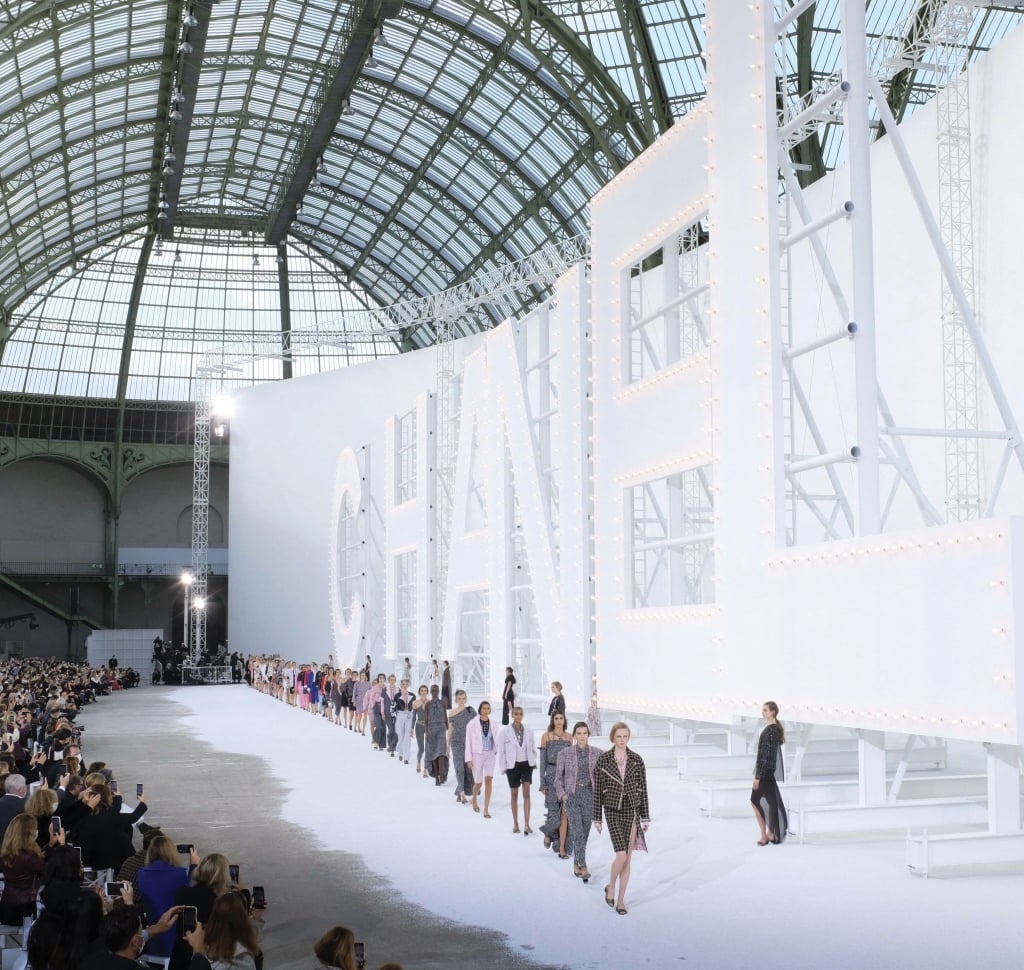
Chanel fashion show at
the Grand Palais in Paris.
Though most of these ornate landmarks stand as botanical attractions, some have traded orchids for oil paintings, ferns for fashion. Madrid’s Palacio de Cristal de Retiro, built in 1887 as an exotic plant pavilion for the Philippines Exhibition, now hosts contemporary art installations beneath its glass ceiling. Designed by Spanish architect Ricardo Velázquez Bosco, this “Crystal Palace” is shaped like a Greek cross and constructed of glass set in an iron framework, all resting atop a brick base.
Located between the Champs-Élysées and the Seine River in Paris, the Grand Palais, a magnificent Beaux-Arts greenhouse on steroids, pivoted from its 1900 debut as an exhibition hall and now hosts everything from art installations to Chanel runway shows to vintage car expos.
In Glasgow, the magnificent Kibble Palace anchors the Botanic Gardens as a venue for everything from theatrical performances to music concerts to quiet contemplation among tree ferns older than the building itself.
TRANSLUCENT TRANSFORMATIONS
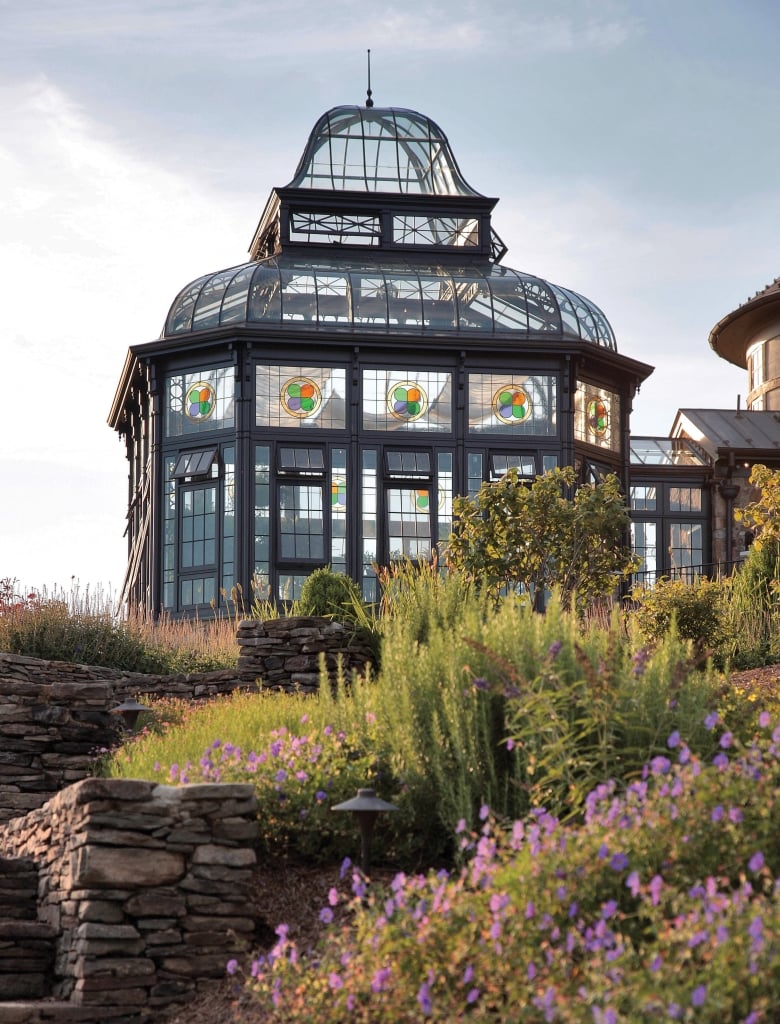
Custom design by Tanglewood Conservatories.
Image courtesy of Tanglewood Conservatories, Ltd., © Alan Stein, Founder
Today, greenhouses and their conservatory cousins are experiencing something of a renaissance. Designers at Tanglewood Conservatories note, “Now more than ever, families seek to create spaces that combine historic design with modern performance and an increased connection to the natural world. These rooms resonate not only for their beauty, but for the way they reconnect people to nature, living plants and one another.”
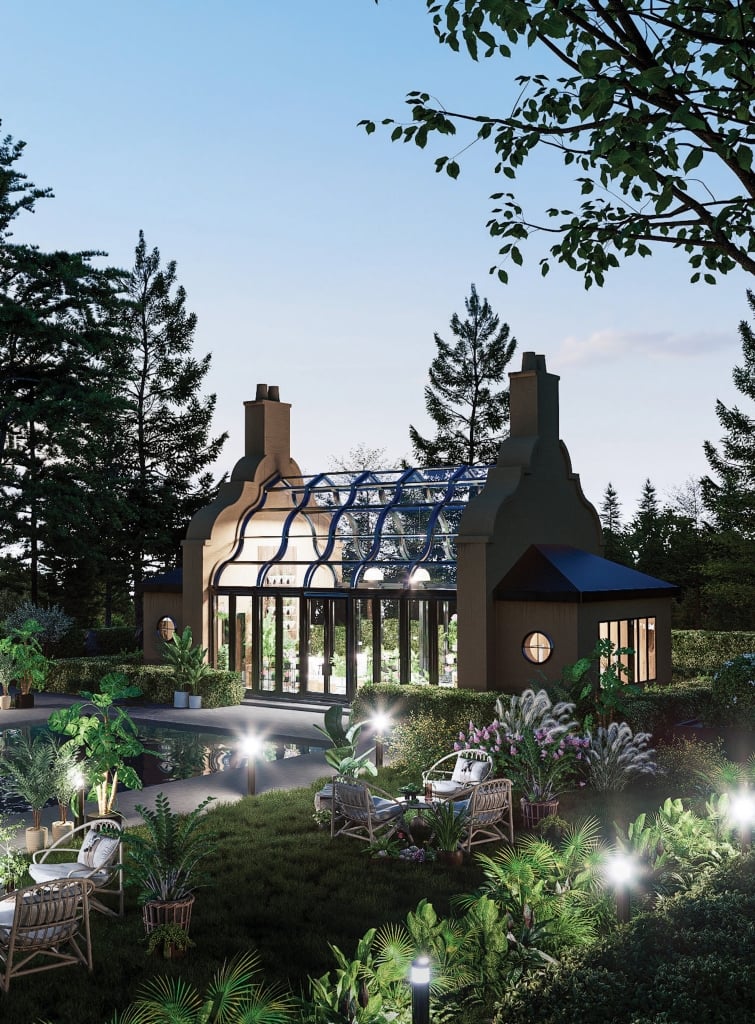
Custom Steel Greenhouse
Many homeowners are embracing biophilic design—spaces intentionally shaped by natural light, plants, wood, stone and water—to foster calm, focus and restoration. As homeowners consider adding spaces attached to their homes or freestanding in their backyards to bring them closer to nature, some choose to use reclaimed materials with interesting histories. Weathered wood, salvaged wavy-glass windows and antique doors and hardware elevate these structures in unique and unusual ways, bringing character and charm to these construction projects.
“The idea for my greenhouse was born when I replaced the original windows in my 1926 cottage and could not bring myself to send them to a landfill,” says Sara McDaniel, a Louisiana-based home renovator, designer and influencer known for her brand Simply Southern Cottage. “Reusing those windows created a greenhouse with instant character and history. It allowed my greenhouse to become a peaceful, light-filled sanctuary that honors the past while creating something beautiful and useful today.”
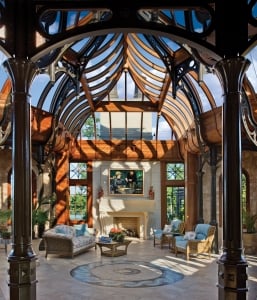
Conservatory concealing an
underground pool in Tennessee.
Yet in the realm of glass enclosures, tradition and tech innovation are not mutually exclusive. Smart technology has revolutionized greenhouse management, making these spaces more accessible to gardeners of all skill levels while maximizing growing success—and without the constant monitoring and attention that traditional, off-the-grid greenhouses once required. Automated ventilation systems respond to temperature changes without human intervention. Soil moisture sensors trigger irrigation only when plants are truly thirsty, preventing both drought stress and overwatering. Remote monitoring via a smartphone allows owners to check conditions from anywhere and adjust heat or humidity with a tap of a finger. Today’s high-tech growing systems use sensors, automated controls and wi-fi connectivity to maintain optimal conditions around the clock—and that provides peace of mind for both the casual weekend gardener as well as the serious horticulturalist.
From ancient Rome’s wheeled growing carts to Europe’s elaborate glass palaces to today’s smart-technology-equipped backyard sanctuaries, greenhouses have evolved from symbols of wealth and extravagance into accessible spaces where gardeners of all levels can defy the seasons. These light-filled refuges make a statement, honoring horticultural tradition while fostering deeper connections with nature and the world around us.