



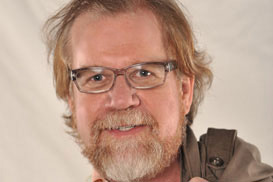
Mark W. Moffett
Mark Moffett, tropical explorer and biologist, is traveling the globe with the support of the John Templeton Foundation to investigate the life and death of societies across the animal world and in humans right up to the present day.

Mark Moffett, tropical explorer and biologist, is traveling the globe with the support of the John Templeton Foundation to investigate the life and death of societies across the animal world and in humans right up to the present day.

Melissa Wells is an expert at managing healthcare systems in the US and abroad. When on expeditions with fellow explorer Moffett, she also captures the work and inspiration of scientific researchers through photography and film.
These speakers are currently scheduled. Subject to change.
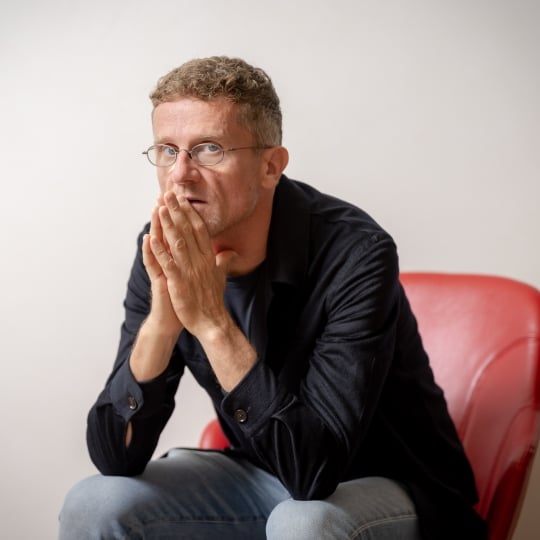
The Italian architect, engineer, author, and urban planner Carlo Ratti focuses on the intersection between natural and artificial worlds in his exploration at MIT on how technologies will change how we design and ultimately live together in cities.

MacArthur fellow Bonnie Bassler studies how microorganisms collaborate in making decisions, allowing whole populations, at times made up of multiple species, to create complex, versatile communities—and how we might control their ill effects.
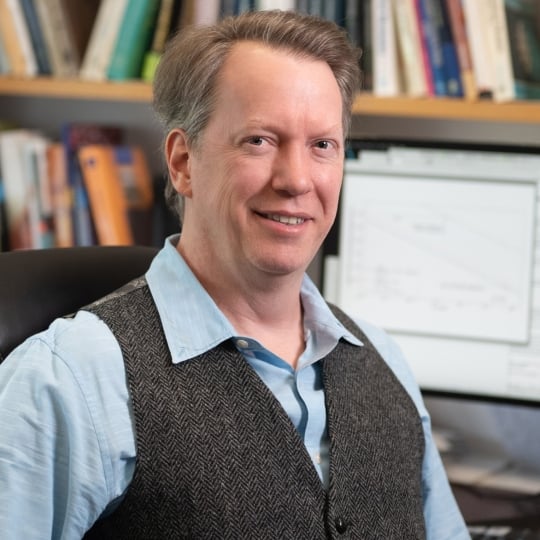
Cosmologist and philosopher Sean Carroll has made diverse contributions to physics while being widely lauded for his podcast Mindscape and many popular works, including such books as Something Deeply Hidden and The Biggest Ideas in the Universe.

Inventor and engineer Larry Howell uses pop-up, origami and flexible mechanisms to fundamentally re-imagine how machines should function in building devices for hospitals, NASA researchers, the U.S. Department of Defense, and many others.
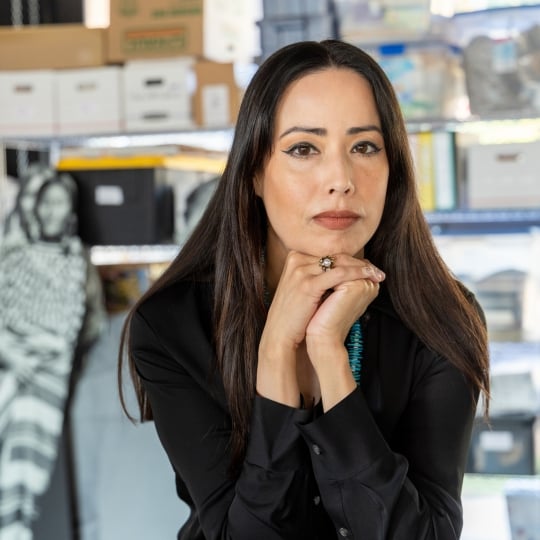
Member of the Apsáalooke (Crow) Tribe, Wendy Red Star is a MacArthur-winning artist who explores colonialism in her work, using multiple media to address Native American life both with respect to the past and in contemporary culture.

Winner of the Friend of Darwin award for presenting evolution to the public, Riley Black has become a star authority on dinosaurs, and paleontology generally, for her elegant writing in books such as The Last Days of the Dinosaurs and When the Earth was Green.
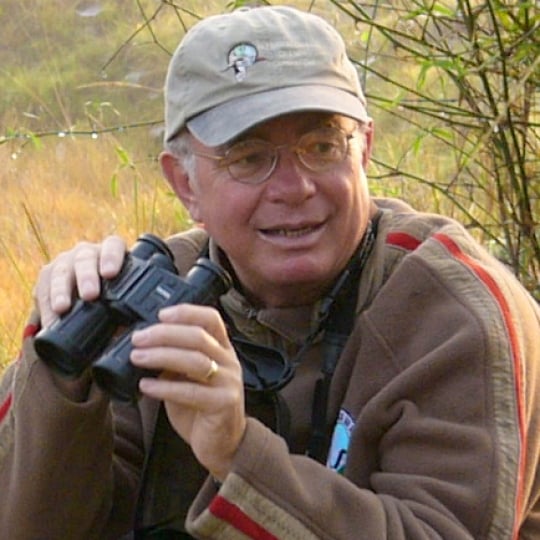
Honored for his conservation efforts by the United Nations, George Archibald, the highly decorated founder of the International Crane Foundation, famously began his vast efforts by helping rescue the whooping crane from the brink of extinction.

Inducted into the Georgia Writers Hall of Fame, American Book Award winner Jericho Brown is a chancellor of the Academy of American Poets whose poems the MacArthur Foundation describes as achieving an “astonishing lyrical beauty.”
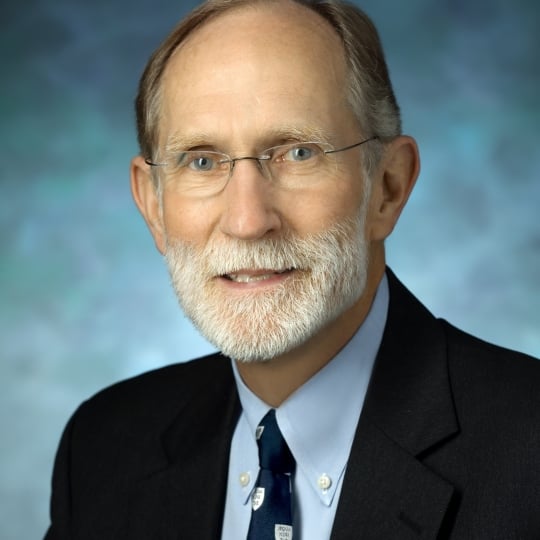
Chemistry Nobelist Peter Agre has worked to reduce malaria across equatorial Africa while building connections across political divides by leading scientific delegations to North Korea, Iran and other nations normally considered our adversaries.

Returning speaker Amy Myers creates extraordinary charcoal or pastel drawings portraying designs of inordinate power, their complexity suggesting what an alien universe might look like in the dreams of a biologist or particle physicist.
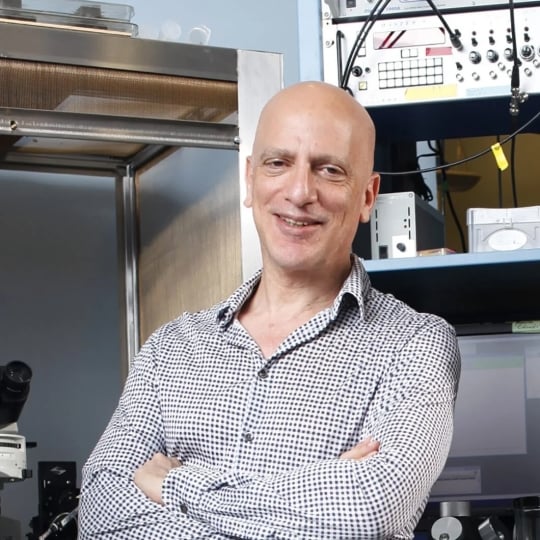
David Sulzer has remarkable achievements in two realms, as a scholar of the physics and neuroscience of music; and as David Soldier, an iconoclastic musician and composer, who for example organizes an orchestra made up entirely of elephants.